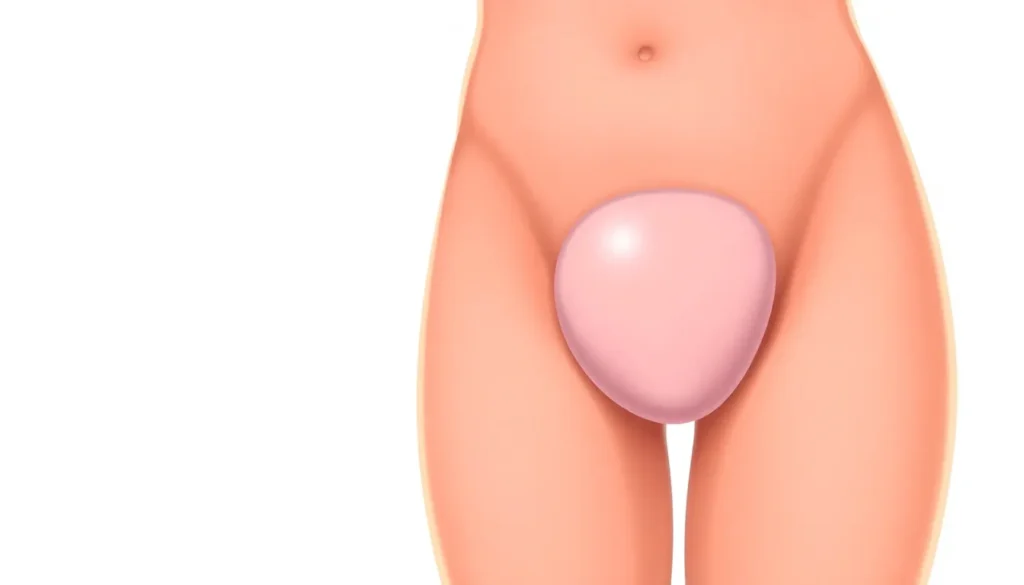

Imagine a world where your bladder decides to take a little detour, making itself more visible than you’d ever want. Sounds like a plot twist from a medical drama, right? But for many, a prolapsed bladder is a real-life issue that deserves attention and understanding.
Understanding Prolapsed Bladder
A prolapsed bladder occurs when the bladder drops from its normal position and bulges into the front wall of the vagina. This condition can lead to discomfort and may significantly affect daily activities.
What Is a Prolapsed Bladder?
A prolapsed bladder, also known as cystocele, involves a weakening of the pelvic floor muscles. These muscles support the bladder, and when they weaken, the bladder can shift forward. Symptoms include urinary incontinence, difficulty emptying the bladder, and a noticeable bulge in the vaginal area. Diagnosis typically requires a physical examination, often supplemented by imaging tests for clarity.
Causes and Risk Factors
Multiple factors contribute to the occurrence of a prolapsed bladder. Aging significantly weakens pelvic floor muscles. Pregnancy and childbirth also increase risk, especially after multiple deliveries. Obesity applies additional pressure on pelvic organs. Other contributing elements include chronic coughing from persistent lung conditions and heavy lifting that strains the body. Family history may increase susceptibility as well.
Importance of Real Pictures
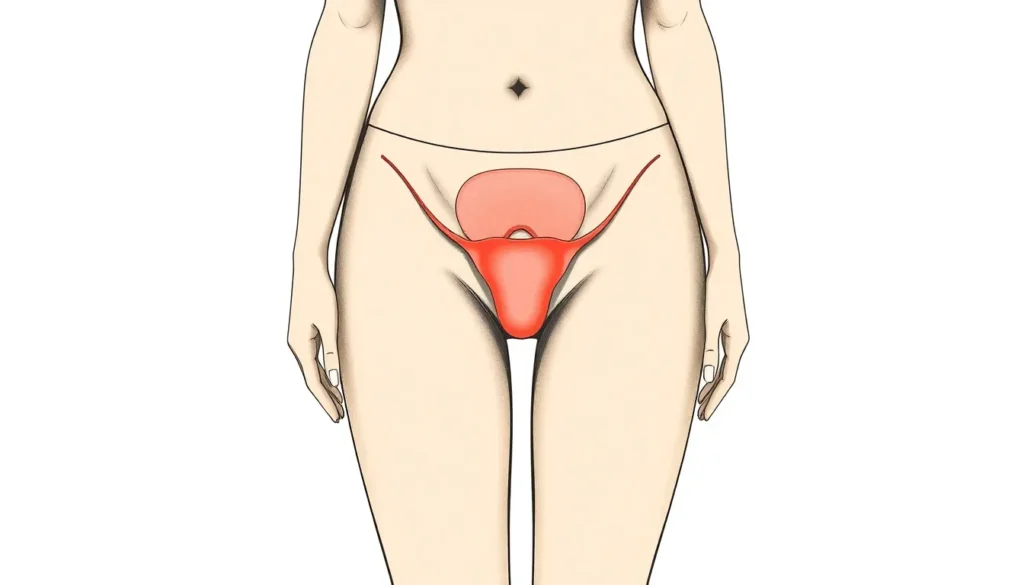
Real pictures play a crucial role in understanding a prolapsed bladder. They provide a clear visual reference that enhances awareness of the condition and its symptoms.
Visual Identification
Visual identification facilitates recognition of a prolapsed bladder’s physical signs. Accurate images help individuals distinguish between normal anatomy and changes indicative of a prolapse. Recognizing a bulge in the vaginal area serves as an initial step in understanding the condition’s presence. Viewing real pictures reinforces the idea that this medical issue affects many people, fostering a sense of connection and urgency about seeking help. Patients can use images as a tool for self-assessment, encouraging timely consultations with healthcare providers.
Patient Education
Patient education benefits significantly from real images of a prolapsed bladder. Images illustrate the anatomy involved, aiding comprehension of how the condition occurs. Understanding the implications of pelvic floor muscle weakness becomes easier when visual examples are present. Patients often report feeling more informed and empowered after viewing real pictures. This enhanced awareness can lead to better discussions with healthcare professionals about treatment options and best practices for prevention. Educational resources that include visuals play a pivotal role in raising overall awareness of pelvic health issues.
Sources of Real Pictures
Real pictures serve as valuable educational tools in the understanding of a prolapsed bladder. Various sources provide these images, each contributing unique insights.
Medical Journals
Medical journals publish peer-reviewed articles featuring cases of prolapsed bladders. Such publications often include photographs that accurately depict the condition. These images help clinicians and researchers understand the typical presentation of a cystocele. Notable journals in this area include the Journal of Urology and International Urogynecology Journal. Readers can find case studies with clear visuals that support clinical findings.
Online Medical Resources
Reputable online medical resources also offer images of prolapsed bladders. Websites like Mayo Clinic and WebMD feature educational content that includes photographic illustrations. These resources aim to educate the public about the condition while ensuring accurate representations. Users can view detailed anatomical diagrams alongside real patient images. Such visuals enhance comprehension of how a prolapsed bladder affects individuals physically and emotionally.
Impact of Visuals on Awareness
Real pictures of a prolapsed bladder significantly contribute to increased awareness about the condition. Visuals play a vital role in understanding its symptoms and implications.
Reducing Stigma
Visuals can counteract stigma associated with pelvic health conditions. They provide an opportunity for education and normalization of discussions around bladder issues. Sharing real images fosters openness and demonstrates that many individuals experience similar challenges. When individuals encounter authentic representations of a prolapsed bladder, they begin to feel less isolated. This exposure encourages compassion, reducing shame and facilitating conversations among patients and their support systems.
Encouraging Treatment Discussions
Images of a prolapsed bladder stimulate essential conversations about treatment options. Patients equipped with visual knowledge feel empowered to approach healthcare providers when experiencing symptoms. Real pictures serve as effective conversation starters, fostering more informed discussions. Patients are more likely to seek advice when they understand what they are experiencing. As awareness grows through these visuals, so does the likelihood that individuals will actively engage with healthcare professionals about their health concerns.
Understanding a prolapsed bladder is crucial for those affected and their support networks. Real pictures play a significant role in this awareness journey. They not only clarify the condition’s physical manifestations but also encourage open conversations about pelvic health.
By normalizing discussions around bladder issues and showcasing authentic experiences, these visuals help reduce stigma. They empower individuals to seek help and engage in meaningful dialogues with healthcare providers. As awareness continues to grow, so does the potential for improved health outcomes and a more compassionate understanding of this common yet often overlooked condition.