

In the wild world of fantasy football, points per reception (PPR) leagues take the game to a whole new level. Imagine turning every catch into a mini-celebration—because in PPR, every reception counts. It’s like giving a high-five to your favorite wide receiver every time they snag a pass. Who wouldn’t want that?
What Is PPR Fantasy Football?
PPR fantasy football, or points per reception leagues, rewards players for each reception made. Players earn one point for every catch, increasing their overall score. This format encourages strategic roster choices since wide receivers and tight ends gain additional value. Scoring points with every reception creates excitement, transforming how fantasy managers approach gameplay.
In PPR leagues, players like running backs, who catch passes, become more significant assets. For example, a running back with 50 receptions in a season provides 50 extra points, making them highly desirable. Gain points not only from yardage and touchdowns but also through receptions. Managers tend to prioritize pass-catching players during drafts as a result of this scoring system.
Strategy changes when participating in PPR formats. Spotting potential breakout players who may not have the highest yardage becomes essential. Understanding each player’s reception potential makes a difference in scoring outcomes.
Comparing PPR to standard leagues reveals unique elements. Standard leagues often don’t reward catches, devaluing certain positions. Conversely, PPR leagues increase the relevance of a player’s ability to receive passes, leading to more balanced team constructions.
Embracing PPR fantasy football enhances interactions during games. Celebrating each reception, fantasy players experience a lively game atmosphere. Therefore, PPR leagues engage fans with dynamic scoring strategies and broaden the competitive landscape.
Key Differences Between PPR and Standard Scoring
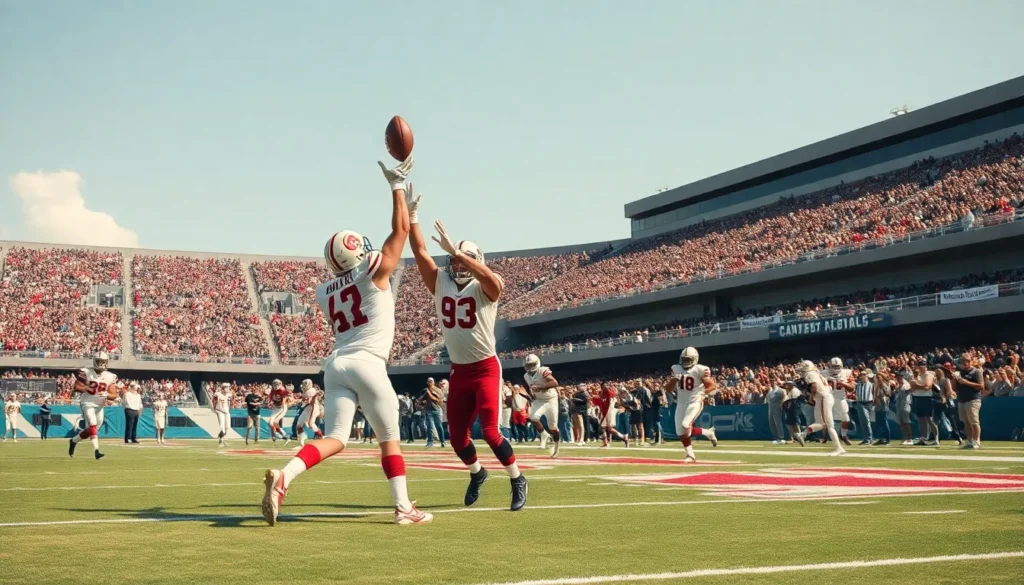
PPR leagues differ significantly from standard scoring formats. Points are awarded for each reception in PPR leagues, adding depth to scoring. Standard leagues often disregard receptions, primarily rewarding yardage and touchdowns.
Understanding Scoring Systems
The PPR scoring system provides one point per reception. In contrast, standard leagues typically don’t award points for catches. This difference encourages managers to build diverse rosters. Players who catch passes, such as wide receivers and certain running backs, gain importance in PPR formats. Additionally, teams often receive higher overall scores due to the cumulative effect of multiple receptions.
Player Value in PPR Leagues
Player evaluation shifts notably in PPR leagues. Wide receivers and pass-catching running backs see increased value due to reception points. Managers prioritize these positions during drafts to maximize scoring opportunities. Tight ends who excel in catching passes also gain significance. Consequently, the competitive landscape changes, as roster strategies adapt to leverage these scoring dynamics.
How to Succeed in PPR Fantasy Football
Succeeding in PPR fantasy football requires strategic planning and in-game adjustments. Managers should focus on drafting high-volume pass catchers early in their rounds.
Draft Strategies
Target elite wide receivers and versatile running backs. Prioritize players who catch numerous passes, as these athletes significantly impact scoring. Managers can boost their rosters by selecting receivers in high-volume offenses, as they often produce more receptions. Evaluating players’ target shares is essential during drafts. Identifying top offenses with strong quarterbacks increases the chances of a successful season. Balancing depth among skill positions helps mitigate injury risks.
In-Season Management Tips
Adjusting lineups based on matchups enhances scoring potential. Monitoring player performance each week ensures optimal roster choices. Managers can capitalize on favorable matchups against weak pass defenses to maximize points. Exploring trade opportunities can improve overall team strength. Tracking injuries and bye weeks is crucial for staying competitive. Streaming tight ends who are part of high-reception offenses may provide a scoring edge. Emphasizing weekly matchups and player trends bolsters success in PPR formats.
Benefits of Playing PPR Fantasy Football
PPR fantasy football enhances strategic planning by rewarding one point for each reception. Players appreciate the added excitement each time a favored player catches a pass. Managers find that prioritizing pass-catching running backs, wide receivers, and tight ends strengthens their roster.
In PPR formats, wide receivers gain more value compared to standard leagues. Engagement levels increase as managers celebrate every reception, creating a more lively atmosphere. Balancing team composition becomes crucial, encouraging deeper analysis of player statistics.
Drafting early becomes essential for targeting high-volume pass catchers. Many managers focus on receivers from prolific offenses to maximize scoring opportunities. Competitive advantages arise as the emphasis shifts toward players who consistently receive targets.
Monitoring matchups throughout the season plays a vital role in maintaining an edge. Adjusting lineups based on weekly performance can drastically affect scoring outcomes. Many managers also explore trades to improve weak positions, responding quickly to changes in player health or performance.
Understanding the nuances of position value makes every decision impactful. PPR leagues motivate players to engage in more extensive analysis for roster construction. Overall, the dynamic scoring format creates a more enriched fantasy football experience that captivates participants throughout the season.
Common Mistakes to Avoid
Selecting players based solely on past performance can lead to disappointment. Managers often overlook how a player’s role in a specific offense impacts their potential in PPR formats. Failing to prioritize high-volume pass catchers significantly diminishes scoring opportunities.
Ignoring matchups during the season is another misstep. Evaluating opponents’ defenses against pass catchers provides critical insights for lineup adjustments. Overlooking injuries or bye weeks can leave a roster vulnerable, affecting weekly performance.
Drafting exclusively based on name recognition can hinder team balance. Managers must prioritize players who consistently catch passes, especially from high-volume offenses. Neglecting to analyze target shares can lead to undervaluing key assets that might outperform expectations.
Sticking too rigidly to pre-draft rankings may limit flexibility. Adapting strategies based on the evolving draft landscape ensures a competitive advantage. Relying on only one source of information often results in missed opportunities; consulting multiple resources for player analysis yields better outcomes.
Drafting without considering roster composition can create position imbalances. Striving for a balanced team featuring a mix of top wide receivers and versatile running backs enhances overall scoring potential. Entering the season unprepared for in-season management can jeopardize success; staying proactive in monitoring player performance ensures teams remain competitive.
Neglecting to engage in trade discussions can also prevent improvement. Exploring potential trades throughout the season fosters growth and adaptation. Managers should avoid complacency by continuously evaluating team strengths and weaknesses to enhance their fantasy football experience.
PPR fantasy football transforms the way managers approach the game by rewarding every reception. This scoring system not only enhances player value but also encourages strategic roster construction. Managers who adapt their strategies and prioritize high-volume pass catchers can gain a competitive edge.
The excitement of celebrating each reception adds an engaging layer to the fantasy experience. By focusing on matchups and player performance throughout the season, managers can maximize their scoring potential. Embracing the nuances of PPR leagues leads to a more dynamic and enjoyable fantasy football journey.