

Ever wondered where the crown of your head is? Spoiler alert: it’s not in a royal palace or atop a majestic mountain. Instead, it’s that delightful little spot right at the top of your noggin. It’s the area that gets all the glory when you’re sporting a stylish new haircut or trying to perfect your best “I just woke up like this” look.
Understanding the Crown of Your Head
The crown of the head refers to the uppermost section of the skull. This area plays a vital role in various functions and can be a focal point in styling.
Definition and Anatomy
The crown is located at the top of the head, forming the highest point. It includes several bones, primarily the parietal bones. The crown connects to the frontal bone at the forehead and the occipital bone at the back. Hair growth often stems from this area, impacting hairstyles. Understanding its anatomy helps with identifying regions affected by hair loss or other conditions.
Importance in Cranial Structure
The crown contributes significantly to the overall shape of the skull. This part houses important structures, including the brain, which is protected by the cranial bones. Additionally, it aids in the alignment of facial features, creating balance. The crown also provides attachment points for muscles that support head movement. Recognizing its importance enables better understanding of health issues related to the head.
Locating the Crown of Your Head
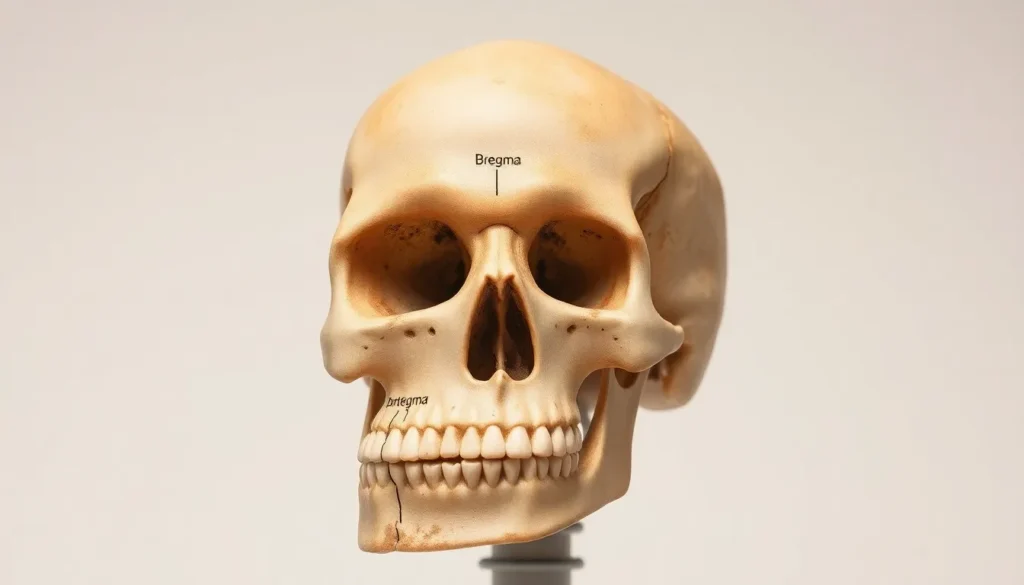
Locating the crown of the head involves understanding its anatomical features and its connections to other cranial elements. This area significantly impacts both aesthetics and health.
Anatomical Landmarks
Anatomically, the crown of the head lies at the topmost point of the skull. This region primarily consists of the parietal bones. The two parietal bones meet at the sagittal suture, which runs vertically along the midline. Additionally, the coronal suture connects the parietal bones to the frontal bone at the forehead. Key anatomical landmarks include the bregma, where these sutures intersect, indicating the highest point of the head. Recognizing these landmarks aids in identifying conditions like hair loss or scalp issues effectively.
Relationship to Other Cranial Features
The crown of the head plays a crucial role in connecting with other cranial features. It links to the frontal bone at the forehead, providing structural integrity. The occipital bone forms the back part of the skull, supporting the crown’s overall shape. The temporal bones, positioned on the sides, contribute to the lateral aspects of the crown. Understanding these relationships enhances knowledge of the skull’s functionality and alignment. Each bone serves a unique purpose, highlighting the importance of this region in both physical appearance and health.
Cultural Significance
The crown of the head holds various meanings across cultures. Many cultures regard this area as a symbol of prestige and authority.
Symbolism in Different Cultures
In many societies, the head represents intellect and spirituality. Headdresses in cultures like Africa and Native American traditions signify status and warrior achievements. Religious practices often see crowns, as in both Christian and Hindu ceremonies, representing divinity and enlightenment. Hair-styling rituals in numerous Asian cultures often highlight the crown, connecting beauty with personal expression and identity.
Historical References
Historical texts frequently mention the significance of the crown of the head. Ancient Egyptians adorned pharaohs with crowns to symbolize divine rule. The Greeks associated the crown with Apollo, representing wisdom and the arts. Middle Ages saw knights wearing ornate helmets, highlighting chivalry. Different dynasties in China used various hair arrangements atop the head to signify rank. Each reference underscores the importance of this area in denoting power and identity throughout history.
Health and Well-being
Understanding the crown of the head is crucial for overall health and well-being. It encompasses aspects related to hair growth, scalp health, and aesthetic appeal.
Common Concerns Related to the Crown
Hair loss often affects individuals concerned about their appearance and confidence. Conditions like alopecia can target the crown, leading to noticeable thinning or bald spots. Scalp issues, including psoriasis and dermatitis, also manifest in this area, causing discomfort and irritation. Many seek treatment and advice for these concerns, hoping to restore both health and aesthetics. Additionally, understanding changes in this region can lead to early detection of underlying health problems, ensuring prompt medical attention.
Benefits of Understanding Cranial Anatomy
Familiarity with cranial anatomy provides multiple advantages. A clear grasp of the crown’s structure aids in recognizing hair growth patterns and scalp conditions. Knowledge about anatomical connections enhances awareness of how injuries or health issues in one area may affect the entire head. It simplifies communication with healthcare professionals when discussing symptoms or concerns related to the crown. Improved understanding promotes better self-care practices, allowing individuals to maintain scalp health and overall physical appearance effectively.
Understanding the crown of the head goes beyond mere anatomy. This area plays a crucial role in both health and aesthetics. Recognizing its significance can enhance one’s appreciation for hairstyles and the impact of scalp conditions on overall well-being.
Culturally the crown holds deep meanings across societies, symbolizing authority and spirituality. From historical crowns worn by rulers to modern hairstyles that express identity, the crown of the head remains a focal point in personal expression.
By being aware of this vital region, individuals can better address health concerns and embrace their unique styles with confidence. The crown of the head is not just a physical feature; it’s a powerful symbol of identity and health.