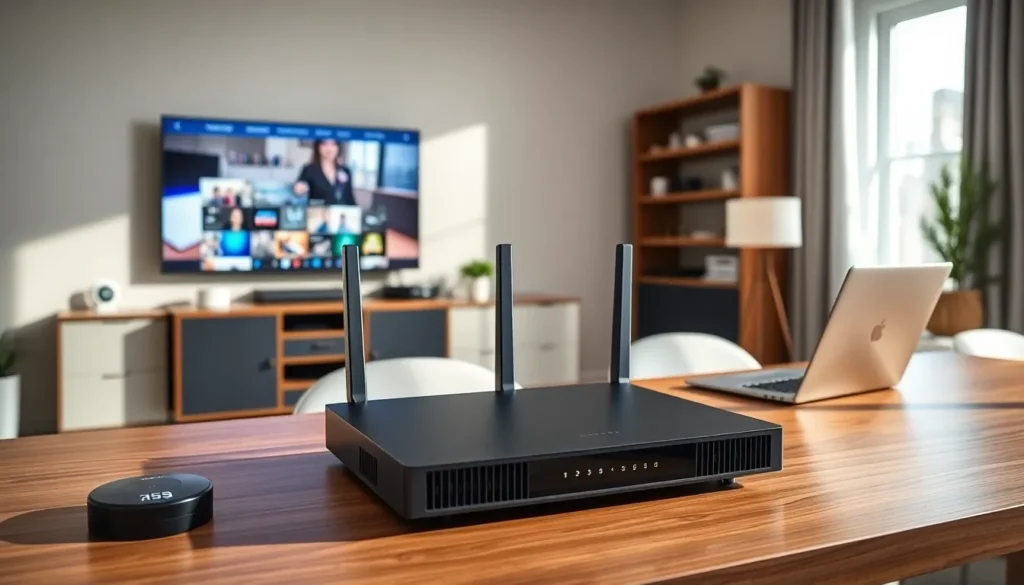

In a world where Wi-Fi is more sacred than coffee, a dependable home networking service is your lifeline. Imagine streaming that next binge-worthy series without a single buffering icon mocking you or playing online games without those pesky interruptions. With everyone in the household connected to the internet, a robust home network ensures everything runs smoothly. Put simply, a home networking service is the unsung hero of every modern household, providing connectivity as essential as running water, or pizza delivery, let’s be honest.
What Is Home Networking Service?

Home networking service refers to a system that interlinks various devices in a residence with the aim of enabling seamless access to the internet and communication between devices. Think of it as the digital glue that holds your smart TV, laptop, tablet, and even those smart appliances together. Typically, this service involves setting up routers, switches, and other network equipment to create a network that can accommodate multiple devices simultaneously.
These networks can be configured in various ways, from simple wired connections to more complex wireless setups. The underlying goal remains the same: providing an efficient, reliable, and often secure way for devices to communicate and access the internet.
Benefits of Home Networking Services
Home networking services offer numerous benefits that can vastly improve daily life:
- Improved Connectivity: With a dedicated home network, users can connect multiple devices without lag. Whether it’s a video call or gaming, the connection remains steady and quick.
- Cost-Effectiveness: Instead of subscribing to multiple internet services for various devices, homeowners can save money through a single, robust network.
- Enhanced Security: Home networking services often include added security measures, like firewalls and encryption, keeping your personal information safe from snoopers.
- Convenience: Connecting smart home devices becomes a breeze. From adjusting lighting to regulating temperature, everything syncs seamlessly.
- Remote Access: Home networks can help remote monitoring and control of devices, making it easier than ever to manage home systems even while away.
Types of Home Networking Services
Several types of home networking services cater to different needs:
- Wired Networking: This involves physical cables, usually Ethernet, to connect devices. It provides a fast and stable connection but may require more installation effort.
- Wireless Networking: Utilizing routers, wireless networks allow for connections without physical cables. Perfect for households where mobility is key, it’s generally easier to set up but can suffer from interference.
- Mesh Networking: Ideal for larger homes, this service employs multiple nodes that work together to cover extensive areas, removing dead zones effectively.
- VPN Services: A Virtual Private Network can be integrated into home networks for added security, allowing users to browse the internet anonymously and safely.
Understanding the various types of home networking services can help in making an informed choice based on specific requirements.
Choosing the Right Home Networking Service
Selecting the ideal home networking service is essential: consider the following factors:
- Speed Requirements: Understanding how many devices will be connected and the activities performed helps in determining the necessary speed. Heavy gamers or streaming enthusiasts may require higher bandwidth.
- Size of the Property: For larger homes, investing in mesh networking may be worthwhile to ensure coverage in all areas.
- Budget: Balancing features with costs is crucial. Some high-end routers provide exceptional performance, while other options may suffice for more moderate needs.
- Future-proofing: Investing in technology that keeps pace with advancements ensures longevity. Features such as Wi-Fi 6 are worth considering as they are designed for faster networks.
- Technical Support: Reliable customer support and troubleshooting options are vital for a seamless process. Look for services that are reputable and have positive user reviews.
Common Issues with Home Networking Services
Though incredibly beneficial, home networking services can encounter several common issues:
- Slow Internet Speeds: This can stem from multiple connections trying to access bandwidth or outdated equipment. Regular updates or upgrades could alleviate this.
- Interference: Physical objects, distance from the router, or other electronic devices can create interference, impacting performance.
- Security Vulnerabilities: If not configured correctly, networks can be susceptible to cyber threats. Regularly updating passwords and firmware is crucial for protection.
- Incompatibility: Older devices may struggle to connect with newer networking standards, causing frustration.
Being aware of these common issues can help users troubleshoot and maintain their networks more effectively.
Setting Up Your Home Network
Setting up a home network might seem daunting, but it can be broken down into simple steps:
- Choose Your Equipment: Select a router or modem that fits your needs. Gathering cables and making sure devices are compatible comes next.
- Position the Router Wisely: Place your router in a central location to maximize coverage. Avoid basements or corners if possible.
- Connect Your Devices: For wired setups, plug in Ethernet cables. For wireless, connect via Wi-Fi by entering the network password.
- Secure Your Network: Change the default password and enable encryption for security. Regularly update the router’s firmware for additional safety.
- Test Your Connection: Ensure everything functions, testing different devices and locations to confirm coverage.
Future Trends in Home Networking Services
The future of home networking services is likely to be exciting and transformative:
- Smart Home Integration: As more devices become smart, networks will evolve to accommodate increased demand and device coordination.
- Increased Use of Wi-Fi 6: This next-generation wireless standard boasts higher speeds, better performance in crowded areas, and improved battery life for connected devices.
- AI in Networking: Artificial intelligence will play a larger role in network management, optimizing performance automatically based on usage patterns.
- Enhanced Security Protocols: Expect a shift towards advanced security measures that adapt in real time to emerging threats.