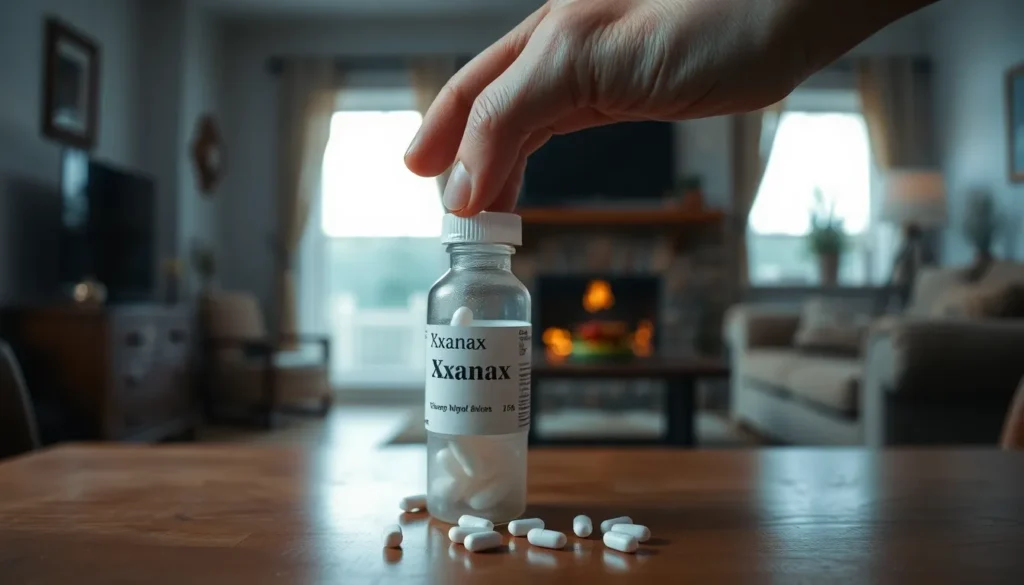

Xanax, the go-to for stress relief and anxiety management, has become a household name. But while it may feel like a cozy blanket on a chilly night, it’s crucial to understand the potential dangers lurking beneath that comforting surface. Can you really overdose on Xanax? Spoiler alert: yes, you can.
Understanding Xanax
Xanax is a widely prescribed medication primarily used for treating anxiety and panic disorders. Its calming effects make it a favored choice, yet it carries significant risks.
What Is Xanax?
Xanax, known generically as alprazolam, belongs to the benzodiazepine class of drugs. This medication acts on the brain and nervous system, providing relief from anxiety symptoms. Doctors often prescribe Xanax for short-term management due to its potential for dependency. Several formulations exist, including immediate-release and extended-release options. Patients may experience varying effects based on dosage and individual response.
How Does Xanax Work?
Xanax functions by enhancing the effects of a neurotransmitter called gamma-aminobutyric acid (GABA) in the brain. Increased GABA activity leads to reduced nervous system excitability, promoting relaxation and calmness. The onset of action typically occurs within one hour after ingestion. Duration of effects can last between five to 15 hours, depending on the formulation. Understanding its mechanism reveals why misusing Xanax presents significant risks, including overdose.
Risks of Xanax
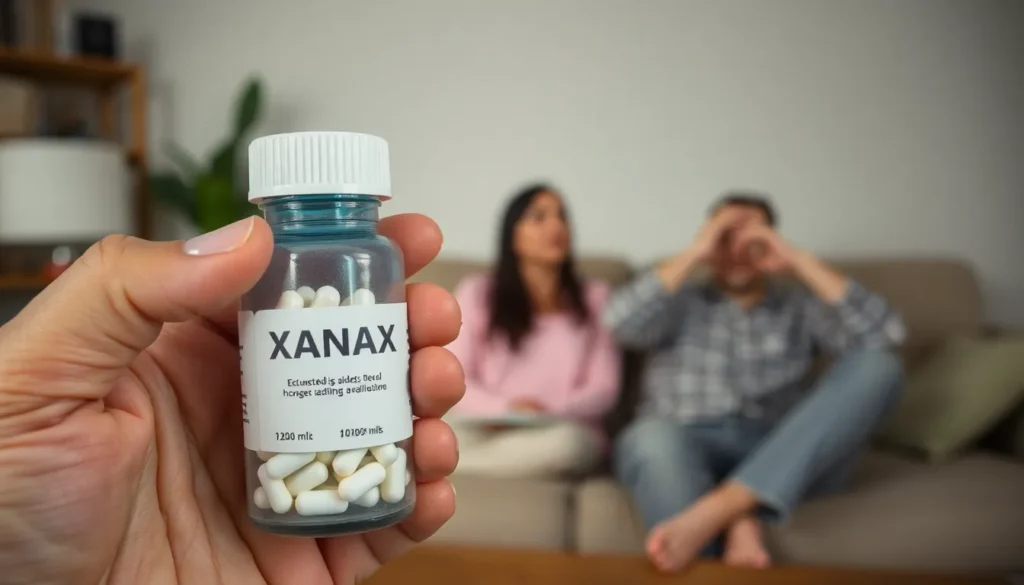
Xanax poses several risks that users must consider, particularly concerning side effects and the potential for overdose.
Common Side Effects
Common side effects of Xanax include drowsiness, dizziness, and confusion. Users may also experience changes in appetite or difficulty concentrating. Some individuals report fatigue or dry mouth. Other side effects can involve irritability and headaches. Serious reactions, though less common, may include blurred vision, slurred speech, and memory issues. Awareness of these effects helps users monitor their reactions while taking the medication.
Signs of Overdose
Signs of an overdose on Xanax can manifest as extreme drowsiness or lethargy. Confusion and a decrease in reflexes often occur. Severe cases may lead to respiratory depression, resulting in shallow or slow breathing. Muscle weakness can also be a critical indicator, along with a lack of coordination. When overdose occurs, individuals might slip into a coma. Immediate medical attention is essential to address any signs of overdose effectively.
Can You OD on Xanax?
Xanax, while effective for anxiety relief, poses a risk of overdose. Many factors contribute to the likelihood of overdose, and understanding these can prevent severe consequences.
Factors Contributing to Overdose
Dosage plays a crucial role in overdose risk. High doses significantly raise the chances of adverse effects. Individual tolerance varies, meaning a dose safe for one person may not be for another. Mixing Xanax with other central nervous system depressants, like alcohol or opioids, amplifies the risk. Age and health conditions also influence sensitivity to the drug. Older adults often experience increased susceptibility. Additionally, underlying medical issues such as liver disease can affect metabolism, leading to accumulation of the drug in the body.
Symptoms of Xanax Overdose
Recognizing the symptoms of Xanax overdose is vital for timely intervention. Extreme drowsiness often presents first, followed by confusion and disorientation. Respiratory depression may occur, resulting in slowed or halted breathing. Muscle weakness can also manifest, making mobility difficult. In severe cases, symptoms escalate to seizures or coma. If someone exhibits these signs, seeking emergency medical assistance is essential to mitigate potential long-term damage.
Treatment for Overdose
Immediate treatment for Xanax overdose is crucial. Recognizing symptoms such as extreme drowsiness or confusion may indicate the need for emergency assistance.
Emergency Response
Call 911 right away if an overdose is suspected. Medical professionals may administer activated charcoal to limit Xanax absorption in the body within an hour of ingestion. In severe cases, they utilize intravenous fluids, respiratory support, or medications like flumazenil to reverse sedation effects. Close monitoring of vital signs is essential during treatment. Continuous assessment helps ensure the patient’s safety and wellbeing throughout the emergency process.
Long-Term Care Options
After stabilization, long-term care options become necessary. Counseling and behavioral therapies provide support in managing anxiety without relying on Xanax. Regular follow-up appointments assist with monitoring psychological health and prevent relapse. Additionally, healthcare providers might suggest alternative medications with lower abuse potential, guiding patients towards safer anxiety management strategies. Connecting with support groups fosters community and shared experiences, enhancing recovery efforts.
Xanax can provide significant relief for those struggling with anxiety and panic disorders but comes with serious risks. Understanding the potential for overdose and dependency is crucial for anyone considering or currently using this medication. Awareness of symptoms and the importance of seeking immediate medical help can save lives.
For those who may be at risk, exploring alternative treatment options and engaging in ongoing support can lead to safer and more effective anxiety management. Prioritizing health and safety when using Xanax is essential for long-term well-being.