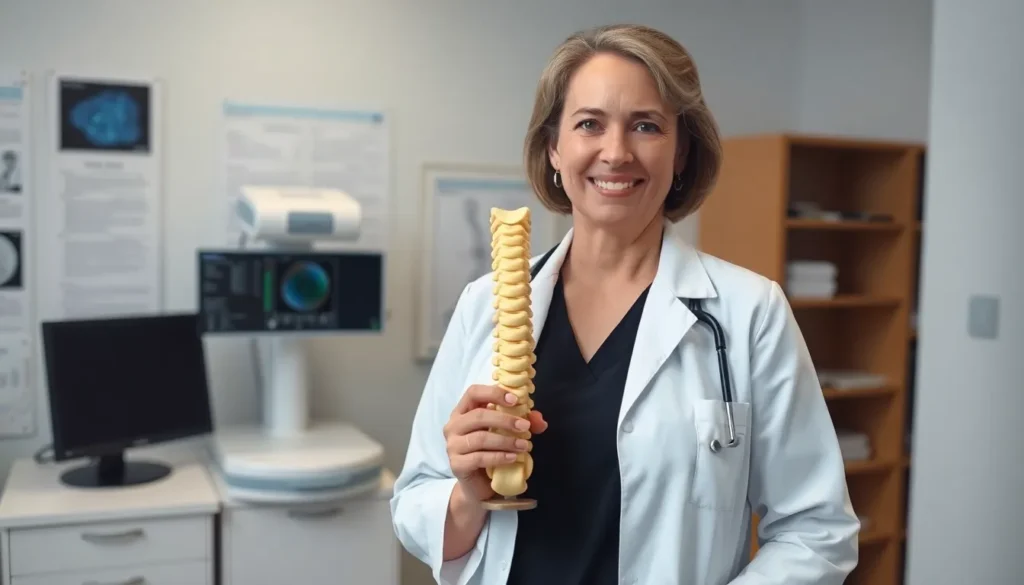

The cervical spine might not be the first thing that comes to mind when thinking about body parts that deserve a little love, but it’s time to give this unsung hero its moment. Nestled at the top of the spine, it’s responsible for supporting that big brain and allowing you to nod in agreement—or shake your head in disbelief. However, when things go awry, it can lead to a whole host of cervical spine disorders that can turn everyday life into a game of “what’s that pain?”
Overview of Cervical Spine Disorders
Cervical spine disorders encompass various conditions affecting the neck region. These disorders commonly arise from injury, degenerative changes, or congenital abnormalities. Pain, limited mobility, and neurological symptoms often characterize them.
Herniated discs occur when the soft material inside a cervical disc bulges, pressing on nearby nerves. Symptoms can include sharp neck pain, tingling, or weakness in the arms. Cervical spondylosis, a form of arthritis, develops due to wear and tear on the cervical spine. This condition frequently leads to stiffness and discomfort, especially in older adults.
Whiplash injury results from sudden neck movements, typically associated with vehicle accidents. Although prevalent, symptoms may take days to appear and vary in severity. Stenosis, or narrowing of the spinal canal, can compress the spinal cord and nerves, causing pain and numbness.
Myelopathy refers to spinal cord dysfunction resulting from compression. Individuals may experience coordination issues or balance problems. Radiculopathy occurs when nerve roots in the cervical spine become compressed, often leading to radiating pain down the arms.
Osteoarthritis can exacerbate other conditions, contributing to chronic pain. Fibromyalgia may lead to widespread pain, affecting the neck and surrounding areas. Neural foraminal stenosis involves narrowing of the openings where nerves exit the spinal column, potentially causing similar symptoms as radiculopathy.
Identifying and addressing cervical spine disorders is essential for pain management and improved quality of life. Recognizing symptoms early promotes better treatment outcomes and enhances overall well-being. Proper diagnosis often involves imaging techniques like MRI or CT scans, helping healthcare providers develop effective treatment plans.
Most Common Cervical Spine Disorders

Cervical spine disorders include several debilitating conditions that significantly impact a person’s daily life. Understanding these disorders helps in recognizing and treating them effectively.
Herniated Discs
Herniated discs occur when the soft center of a spinal disc pushes through its outer layer. This condition often results in sharp neck pain, radiating down the arms, as well as numbness or tingling. Individuals may experience decreased range of motion, making daily tasks challenging. Common causes include injury or degeneration due to aging. Treatments typically involve physical therapy, pain management, and sometimes surgery in severe cases.
Degenerative Disc Disease
Degenerative disc disease refers to the wear and tear of spinal discs over time. Aging often causes discs to lose hydration and flexibility, leading to pain and stiffness. Symptoms may include chronic neck pain that worsens with movement or prolonged activity. Additionally, individuals may feel discomfort during certain positions. Treatment focuses on pain relief, strengthening muscles around the spine, and improving flexibility through targeted exercises.
Spinal Stenosis
Spinal stenosis describes the narrowing of the spinal canal, which can compress the spinal cord and surrounding nerves. This condition can lead to persistent neck pain, as well as neurological symptoms like tingling or weakness in the arms. It often arises from arthritis or disc degeneration. Management options include physical therapy, medications, and, in some instances, surgical intervention to relieve pressure on the spinal cord.
Osteoarthritis
Osteoarthritis affects the cervical spine, causing joint inflammation and pain. This degenerative condition often leads to stiffness and decreased mobility in the neck. Symptoms may include localized pain that intensifies with movement. Understanding risk factors, such as age and previous injuries, is crucial for prevention. Treatment strategies focus on managing pain, improving joint function, and maintaining physical activity through exercise and medication.
Other Notable Cervical Spine Disorders
Cervical spine disorders present varied challenges that can affect overall well-being. Below are additional conditions of significance.
Whiplash Injuries
Whiplash injuries occur due to sudden neck movements, typically from automobile accidents. Symptoms include neck pain, stiffness, and headaches. Limited mobility often results, impacting daily activities. Some patients experience cognitive difficulties, such as memory issues or difficulty concentrating. Diagnosis frequently involves physical examinations and imaging studies to rule out more severe injuries. Treatment includes rest, physical therapy, and pain management strategies.
Cervical Spondylosis
Cervical spondylosis features age-related wear and tear of the cervical spine. Degenerative changes cause bone spurs and disc degeneration, leading to neck stiffness and pain. Some individuals experience radiating pain to the arms or hands, affecting mobility. Advanced imaging techniques diagnose this condition while identifying any nerve compression. Conservative treatments include physical therapy, medication, and lifestyle modifications to enhance strength and flexibility.
Sciatica
Sciatica arises when the sciatic nerve becomes compressed or irritated, often due to degenerative disc disease. Pain radiates from the lower back through the hips and legs, sometimes accompanied by numbness or tingling. Diagnosis involves a physical exam and imaging studies, such as MRI or X-rays, to identify the underlying cause. Treatment may include physical therapy, medications, or adjustments to daily activities to alleviate symptoms.
Diagnosis and Treatment Options
Diagnosis of cervical spine disorders relies on various imaging techniques to provide insight into underlying issues. MRI scans allow for detailed visualization of soft tissues, including nerves and discs. CT scans, on the other hand, deliver comprehensive images of bony structures to assess spinal alignment and identify abnormalities. Physical examinations often accompany imaging, helping healthcare professionals evaluate symptoms and pain levels.
Surgical treatments may be considered when conservative options fail. Discectomy involves the removal of herniated disc material to alleviate nerve compression. Spinal fusion stabilizes the spine by fusing two or more vertebrae together. For cases of severe spinal stenosis, laminotomy can relieve pressure on the spinal cord. Some patients may require artificial disc replacement, which restores motion while addressing chronic pain.
Non-surgical treatments offer various alternatives depending on specific conditions. Physical therapy focuses on rehabilitation exercises to improve strength and flexibility. Chiropractic adjustments may relieve pain and enhance spinal function. Medications, such as NSAIDs, are commonly used to reduce inflammation and manage pain. Corticosteroid injections can provide targeted relief for persistent discomfort, while alternative therapies like acupuncture may also offer benefits.
Cervical spine disorders can significantly impact daily life and overall well-being. Recognizing the symptoms and understanding the various conditions is essential for effective management. Early diagnosis plays a crucial role in alleviating pain and enhancing mobility.
With a range of treatment options available from conservative therapies to surgical interventions individuals can find relief tailored to their specific needs. Staying informed about cervical spine health empowers individuals to take proactive steps in maintaining a healthy neck and preventing further complications. Prioritizing cervical spine care not only improves quality of life but also aids in achieving long-term wellness.