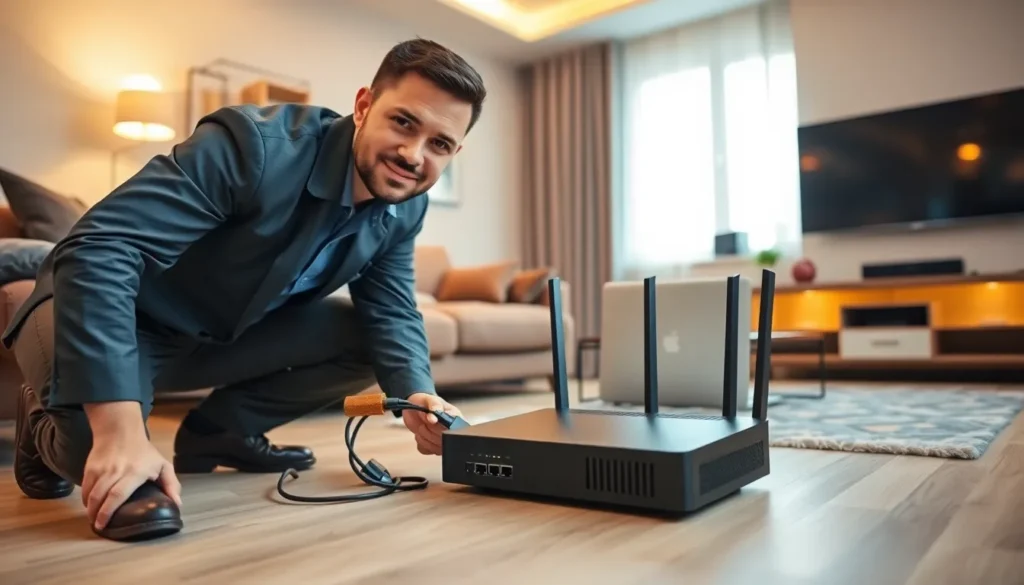

When it comes to a modern home, reliable internet isn’t just a luxury, it’s a necessity. Think about it: Netflix binges, Zoom calls, and the occasional online shopping spree all depend on strong Wi-Fi. But if your signal cuts out more often than an indecisive cat on a windowsill, then it’s high time to consider professional home networking installation services. They can turn that Wi-Fi wilderness into a digital paradise, ensuring you’re connected without the drama. Grab your routers and seat belts: let’s jump into the world of home networking.
Understanding Home Networking
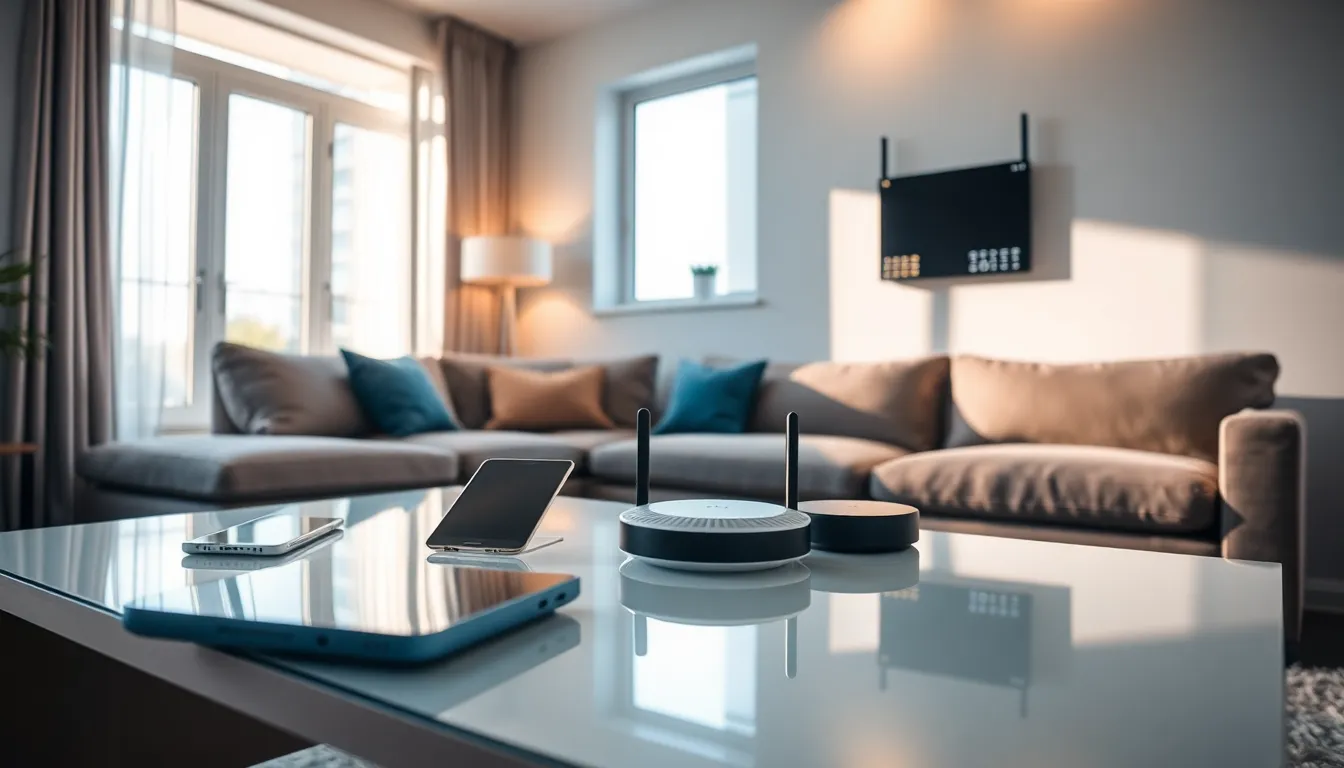
Home networking might sound like a techy buzzword thrown around at fancy cocktail parties, but it’s really about creating a seamless connection between your digital devices. Imagine a web connecting your laptop, smartphone, smart TV, and even that quirky smart fridge. The goal? Making sure they all talk to each other effortlessly, this is home networking in a nutshell.
It encompasses the setup of elements like routers, switches, and cables, transforming your living room into a hub of connectivity. Understanding this infrastructure is critical. When your home network is strong, every streaming session feels like a VIP smooth ride. Your laptops can download updates faster than your neighbor can say “buffering.” So, grasping the basics of home networking helps in ensuring your devices communicate without any hiccups.
Types of Home Networking Solutions
Just as there’s a range of wines for different tastes, there are various home networking solutions tailored for unique homeowner needs. Here are some prime options:
Wired Networking
For those who crave speed and reliability, wired networking could be the answer. Using Ethernet cables, it provides a direct connection, ensuring that devices perform without a hitch. This type is often favored by gaming enthusiasts who can’t afford lag or delays.
Wireless Networking
Imagine roaming your home without being tethered to a desk. Wireless networks, or Wi-Fi, come into play, giving freedom to stream, browse, and work with ease. They are perfect for households with multiple users who want the flexibility of connectivity in every corner of the home.
Mesh Networking
For larger homes or those with tricky layouts, a mesh network may save the day. It employs multiple nodes spread throughout the space, ensuring consistent coverage, even in the far-off corners where a regular router might struggle. Think of it as laying out a reliable blanket of connectivity across your property.
Choosing the Right Installer
Choosing the right home networking installer can feel daunting, especially with so many options available. Start by looking for professionals with solid credentials. Recommendations can be golden, ask friends or neighbors about their experiences.
Check Reviews
Reading online reviews helps in narrowing down choices. Look for installers who prioritize customer service and have a track record of satisfaction. Nothing drives a point home quite like a happy customer.
Verify Credentials
Make sure to check their licenses and insurance. A qualified installer will have the necessary certifications, ensuring peace of mind during installation.
Discuss Needs
Ensure that the installer takes the time to understand your specific needs. A one-size-fits-all solution may not work: customizing a plan based on your home layout and internet usage is key to maximizing your network’s potential.
Top Considerations for Home Networking Installation
When gearing up for home network installation, several factors come into play. These considerations help shape the outcome and can make all the difference:
Home Size and Layout
Evaluate the space where the network will be installed. Large homes with multiple floors might need additional access points or a mesh system to ensure signal strength in every nook and cranny.
Number of Devices
Count the devices that will be connected to the network. The more devices, the more bandwidth needed is essential for smooth operation without lag.
Future-Proofing
Technology evolves faster than the average Netflix binge. Choosing equipment that can be upgraded will keep your network relevant and capable for years to come. Discuss future needs with the installer to ensure a scalable solution.
Costs and Budgeting for Home Networking Services
Budgeting for home networking services might seem intimidating, but it helps to break it down:
Initial Setup Costs
Installation costs vary based on several factors, including home size and the complexity of the setup. On average, homeowners can expect to pay between $100 to $500 for professional installation. Consider the benefits of getting it done right the first time.
Ongoing Maintenance
Plan for ongoing costs like equipment upgrades or periodic check-ups. Keeping your network in top shape requires occasional investments, but they often pay off in peace of mind.
DIY vs. Professional
While DIY solutions can save money upfront, they can lead to inefficiencies and poor setups that might cost more in the long run. Weigh the initial savings against the potential drawbacks before diving into the deep end.